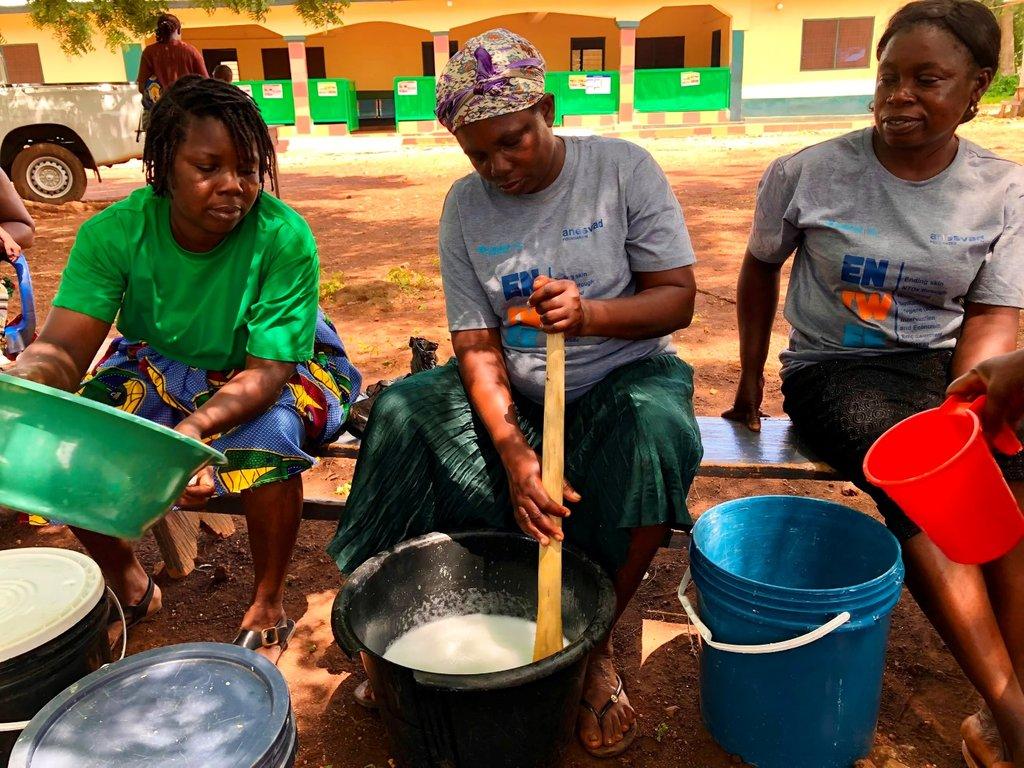
Transformative Impact
Transformative Impact: How the ENIWEE Project Is Changing Lives in Ghana
ANESVAD FOUNDATION · Progress Report
Transformative Impact: How the ENIWEE Project Is Changing Lives in Ghana
In just over three years, the ENIWEE Project has demonstrated that a holistic, community-centered approach can achieve profound and measurable change in the fight against Skin-Neglected Tropical Diseases.
Implemented by Sustainable Mission Aid International (SMAid International) and funded by the Anesvad Foundation, the project is not merely treating diseases, it is transforming lives and entire communities across Ghana's Bono and Upper West Regions.
Neglected Tropical Diseases (NTDs) like Buruli Ulcer, Leprosy, Yaws, and Lymphatic Filariasis have long plagued rural and impoverished communities in Ghana, causing devastating physical disabilities, deep psychological trauma, and relentless social stigma. For generations, those affected have been marginalized, trapped in a cycle of poverty, shame, and isolation.
The ENIWEE Project (Ending Skin-NTDs through Improved Water, Sanitation, Hygiene, and Economic Empowerment), implemented by Sustainable Mission Aid International (SMAid International) with funding from the Anesvad Foundation, was designed to break this cycle. Operating across five districts in Ghana's Bono and Upper West Regions, the project is a comprehensive, multi-sectoral initiative that tackles the root causes of Skin-NTDs, not just the symptoms.
Our Objectives
From its inception, the ENIWEE Project has pursued four interconnected objectives:
- Reduce Skin-NTDs Prevalence: Through early detection, improved diagnosis, and strengthened health systems, the project aims to significantly lower the burden of Buruli Ulcer, Leprosy, Yaws, and Lymphatic Filariasis in target districts.
- Enhance WASH Access and Healthcare Services: By constructing water points and sanitation facilities, and strengthening healthcare delivery, the project ensures vulnerable populations have access to the foundational resources they need to prevent disease and seek timely care.
- Promote Economic Empowerment and Social Inclusion: Through livelihood assessments, skills training, and the establishment of community support groups, the project empowers NTD-affected individuals to regain their livelihoods, rebuild their lives, and participate fully in their communities.
- Strengthen Health Systems and Advocacy: By building the capacity of health workers, fostering multi-sectoral coordination, and engaging policymakers, the project ensures that the fight against NTDs becomes a sustained priority at the district and national levels.
Our Expected Outcomes
The project was designed to deliver measurable, lasting outcomes that would transform lives and communities:
- Reduced Prevalence of Skin-NTDs in target districts through improved case finding, treatment, and prevention.
- Increased Access to WASH Facilities and Healthcare Services for vulnerable populations, breaking the transmission cycle of NTDs and other waterborne diseases.
- Economic Resilience for Vulnerable Direct Beneficiaries, enabling NTD-affected individuals and their families to achieve financial independence and break free from poverty.
- Stronger Policies and Community Engagement, ensuring that the gains made during the project are sustained through institutional commitment and empowered communities.
Today, more than halfway through the project's implementation, the results are speaking for themselves. The ENIWEE Project is not merely treating diseases, it is transforming lives and entire communities.
1. Restoring Health and Hope Through Strengthened Systems
At the heart of the ENIWEE approach is a recognition that healing goes beyond medicine. The project has tackled the physical, mental, and social dimensions of NTDs simultaneously.
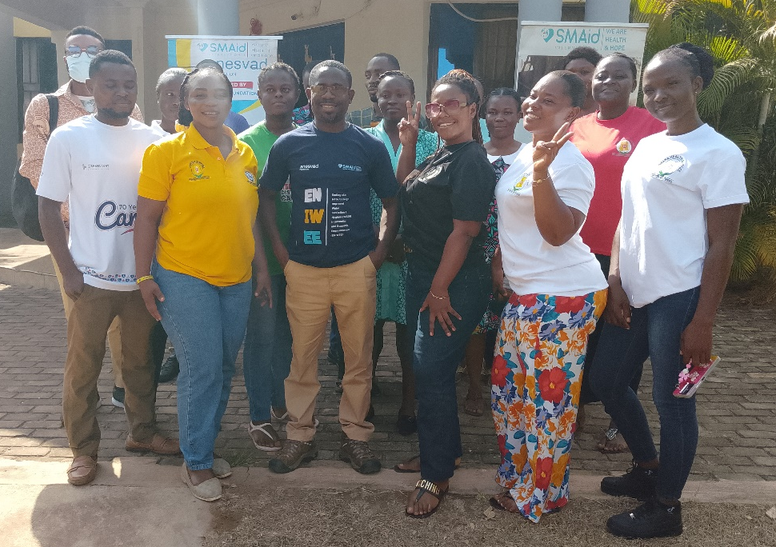
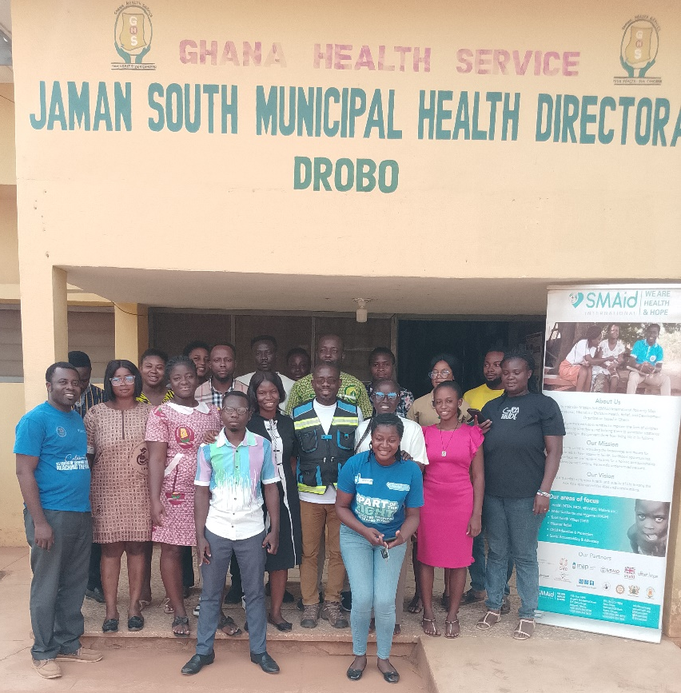
Key Impact Highlights:
- 94 public health and mental health officers (47 male, 47 female) across five districts have been trained in the "4 A's Stigma Conversation Framework," equipping them to provide compassionate, trauma-informed care to NTD-affected individuals.
- Over 80 suspected and confirmed cases of the four target NTDs (Buruli Ulcer, Leprosy, Yaws, and Lymphatic Filariasis) have been identified, many of which were previously hidden due to stigma.
- Early reporting of NTD cases has increased significantly, with health facilities in Bodaa and Zezera reporting a noticeable uptick in community members proactively seeking care.
A frontline health worker shares the difference:
"Before the training, I often felt unsure of what to say to a patient who was clearly distressed and ashamed. Now, I have a structure: Ask, Acknowledge, Assess, and Advance. It has transformed the care I can provide. I am not just treating a wound; I am healing a person."
— A nurse from the Tain District
2. Empowering Communities to Lead the Fight
The ENIWEE Project has understood that sustainable change must come from within communities themselves. By establishing and training community-led support structures, the project is building a durable foundation for NTD elimination.
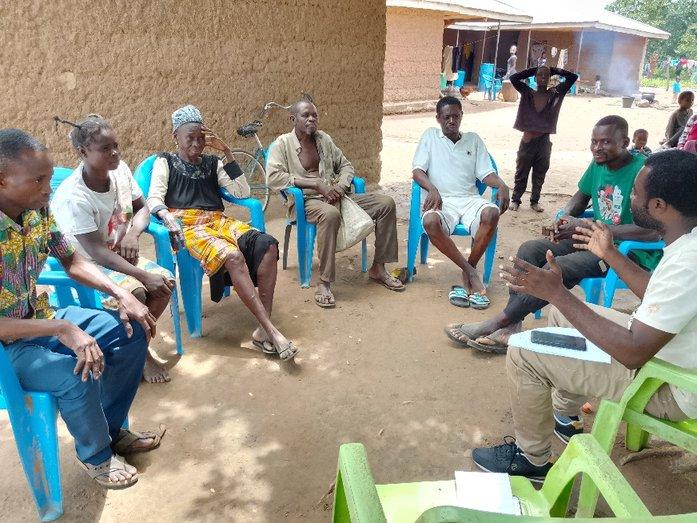
Key Impact Highlights:
- 10 Community-Based Support Groups comprising 196 volunteers (110 women, 86 men) have been established and are actively providing psychosocial support and reducing stigma.
- Post-training surveys reveal a 136% increase in the capacity of support group members to effectively identify and support NTD-affected individuals.
- A fundamental shift in perception has been documented, with communities moving from attributing NTDs to spiritual causes to understanding them as biomedical conditions that are preventable and treatable.
The voices of community leaders and affected individuals:
"Before SMAid came, we thought leprosy was a curse. Now we know it is a disease that can be cured. Community members are now really against stigmatization because they recognize that NTD patients are the reason our community received water and latrine infrastructure."
— A community leader, Kwaekesem
"I had isolated myself for years, thinking there was no hope. Then the support group members visited me. They listened. They told me I was not alone. They helped me go to the health center. Today, I am receiving treatment, and I am not afraid anymore."
— An NTD-affected beneficiary, Zezera
3. Creating Tangible Foundations for Health: WASH Infrastructure
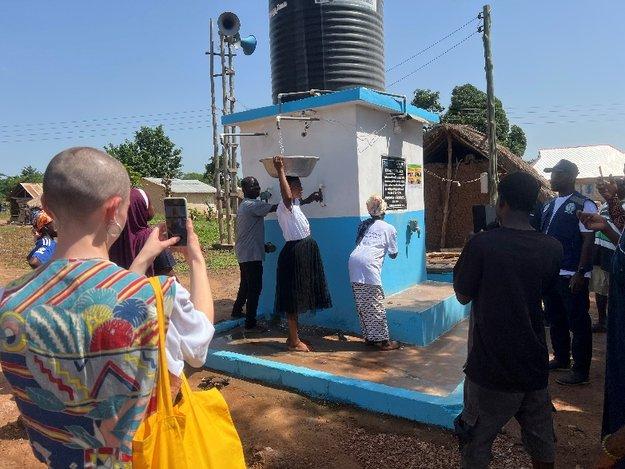
Recognizing that clean water and sanitation are fundamental to preventing NTD transmission, the ENIWEE Project has invested in critical infrastructure that is already changing lives.
Key Impact Highlights:
- 3 mechanized boreholes are under construction, which will provide safe water access to an estimated 5,000–10,000 community members in the underserved communities of Botenso, Kogua, and Vieri.
- A six-unit sanitation block is being constructed in Bodaa, providing dignified sanitation and helping to reduce open defecation.
- Improved water access is having a ripple effect: in Kwaekesem, where a borehole was previously installed, girls are now arriving at school on time, and the time women spend fetching water has been significantly reduced.
The human impact of infrastructure:
"We used to walk 90 minutes every day to fetch water from a stream we shared with animals. Our children were always sick. Now, with the borehole, we have clean water right here. It is not just water; it is life."
— A community member, Mfodwo
4. Amplifying Awareness and Changing Behavior
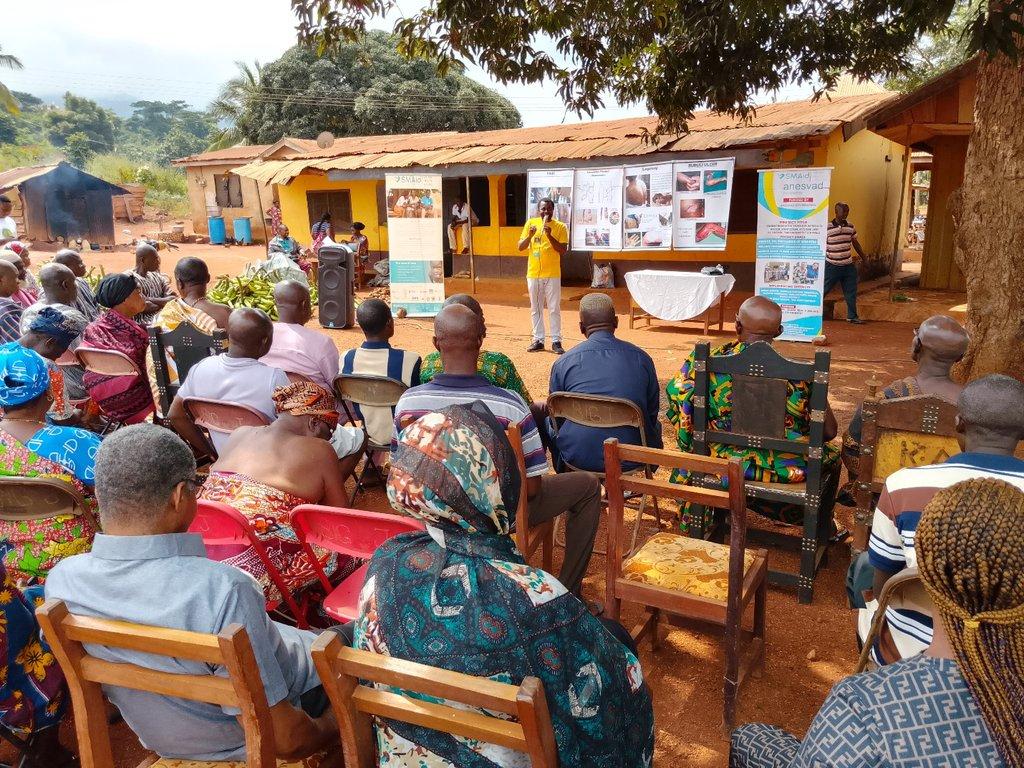
Through a powerful combination of mass media and grassroots engagement, the ENIWEE Project is reshaping public understanding and driving positive behavior change on a large scale.
Key Impact Highlights:
- Over 34,000 people have been reached through radio discussions and community durbars, receiving critical information on NTD prevention, treatment, and stigma reduction.
- 92.5% increase in community awareness of water treatment practices.
- 90% increase in community commitment to reducing stigma against persons affected by NTDs.
- 12 media houses and 10 CSOs/NGOs have been formally trained and are now actively integrating NTD advocacy into their work, creating a powerful multiplier effect.
The Bottom Line: A Blueprint for Lasting Change
The ENIWEE Project is proof that when you address the root causes of disease — poverty, stigma, lack of infrastructure, and weak health systems — you achieve more than just health outcomes. You restore dignity, empower women, build resilient communities, and create a future where no one is left behind.
The project has created a powerful, replicable model for tackling Neglected Tropical Diseases. It is a testament to what can be achieved when health systems, local government, civil society, and communities themselves work together with a shared vision and a relentless commitment to equity and justice.